

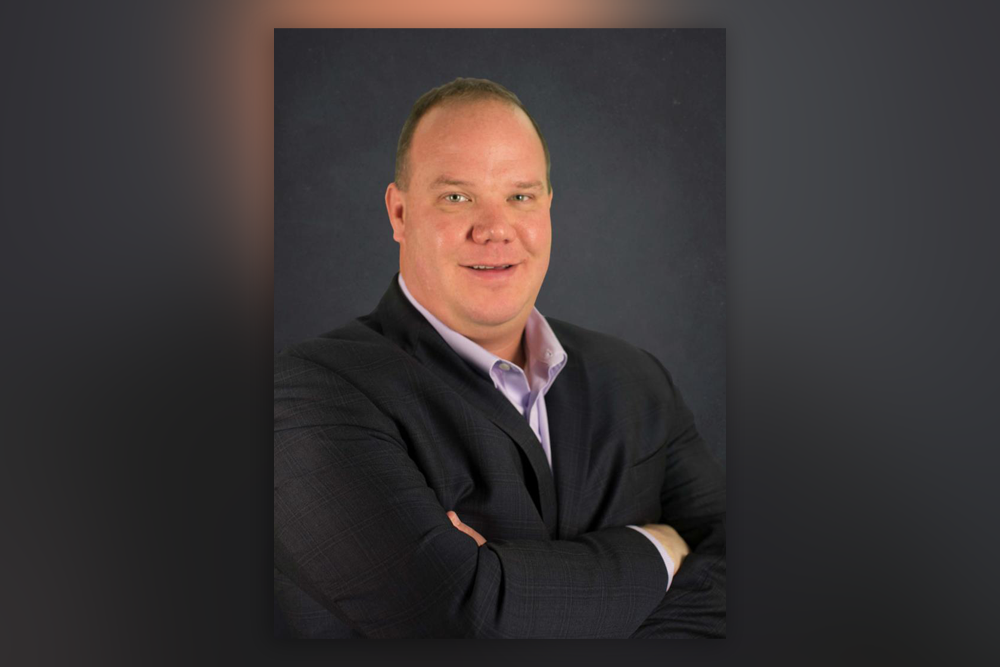
By David Nichols, 2026 KCRAR President
Over the past several weeks, I’ve spent an incredible amount of time dealing with a Missouri law that, quite frankly, wasn’t even on my radar a few months ago.
And the more time I’ve spent on it, the more I’ve been reminded of something I’ve learned during my presidency at KCRAR: you can have all the plans in the world, but sometimes the most important issue facing your association is the one nobody saw coming.
If you’ve been following the conversations surrounding Missouri’s new residential sale-leaseback legislation, you probably have some idea what I’m talking about.
The law was originally intended to address certain practices involving investors who purchase homes from consumers and then lease those properties back to them. The goal was to protect homeowners from potentially abusive arrangements, and I don’t think any of us would argue with that objective.
The problem is that the language of the law has raised questions about whether it could also apply to something we’ve been doing in traditional real estate transactions for decades: allowing a seller to remain in their home for a short period after closing. Something that used to be fairly routine has suddenly become a much more complicated conversation.
Brokers are trying to figure out how to advise their agents. Title companies are concerned about potential liability. Lenders are evaluating how these arrangements might affect their transactions. Attorneys are examining the language of the law and trying to determine how it should be interpreted.
Meanwhile, buyers and sellers still need to close on their homes, and sometimes the logistics of moving from one property to another simply don’t line up perfectly.
Over the past several weeks, I’ve been involved in conversations with attorneys, title companies, lenders, other brokers, and REALTOR® leadership, both locally and at the state level.
And here’s what makes this particularly frustrating.
From everything I’ve learned through those conversations, the intent of this legislation was never to interfere with ordinary, short-term possession arrangements in traditional real estate transactions. But what lawmakers intended and what ultimately gets written into law aren’t always the same thing. And when that happens, we have a problem.
KCRAR is working closely with Missouri REALTORS® to address the concerns this law has created, seek greater clarity and pursue a legislative correction when lawmakers return to Jefferson City. In the meantime, we’re trying to help our members navigate the uncertainty, working with others throughout the industry to better understand the law and its potential impact.
It’s complicated, and there isn’t necessarily a quick or easy answer. But this situation illustrates something I’ve come to appreciate about association leadership.
You don’t always get to choose the issues that demand your attention.
Sometimes you have to set aside what you thought you’d be working on and deal with what’s actually happening. And when you’re representing nearly 12,800 REALTORS®, you have to be able to do that while asking a much bigger question: What’s in the best interest of all the members we’re here to serve?
I’ve spent more than 25 years in the real estate business, much of that time building and operating brokerages. I’m accustomed to making decisions, setting direction and figuring out how to move things forward.
And after all those years, I’m certainly not short on opinions.
But there’s a pretty significant difference between making decisions for my own company and helping lead an association representing nearly 12,800 members. As a broker, I can look at the leaseback issue, consult with our attorneys, decide how our company should handle it and communicate that decision to our agents. As KCRAR president, I have to look at it differently.
I have to remind myself that I’m not sitting at that table representing my brokerage. I’m sitting there representing thousands of REALTORS® who work for different companies, operate under different business models and sometimes have very different needs.
What works for my company may not work for a small independent brokerage. What makes sense for a residential agent may look completely different to someone working in commercial real estate or property management. And every one of those perspectives deserves consideration.
Now add another layer of complexity.
KCRAR represents members in both Kansas and Missouri. That means we’re watching what’s happening in Topeka and Jefferson City, but we’re also paying attention to Kansas City and the many smaller municipalities throughout our region. Each has its own elected officials, priorities, ordinances and regulations. Something happening in one community may have little impact on members in another, while a decision made at the state level can affect thousands of transactions.
And that’s just the legislative side of things.
We’re also dealing with an industry that’s changing rapidly. New business models, technology, legal challenges and evolving brokerage practices are creating conversations about how real estate should operate in the future. Some of those conversations are being driven by people and organizations hundreds or even thousands of miles away who don’t necessarily understand how our market operates or the challenges our members face every day.
That doesn’t mean we should ignore those conversations. There are good ideas coming from all across the country. But it does mean we shouldn’t automatically assume that what’s right for another market is right for Kansas City.
And then there’s the challenge that may be the most difficult of all.
Every one of us who serves in association leadership brings our own experiences, priorities and opinions to the table. I’m no exception.
I’ve spent a good portion of my career developing strong opinions about what makes a successful brokerage, what agents need to succeed and where I believe our industry should be headed. I haven’t suddenly abandoned those beliefs because I’m serving as association president. But I have learned that sometimes I need to set them aside.
Sometimes that means listening to someone whose business model is completely different from mine. Sometimes it means recognizing that an issue I don’t consider particularly important may be incredibly important to another group of members. And sometimes it means supporting a decision that might not have been the one I would have made if I were sitting in my own office.
That’s not always easy. But I think it’s necessary if we’re going to do this job well.
I’ve served in REALTOR® leadership at the local, state and national levels for a number of years, so I didn’t come into this role without some understanding of the challenges. What I didn’t fully appreciate was how often those challenges would require balancing interests that don’t always align.
And I’ve developed an even greater appreciation for the staff, volunteer leaders, committee members and industry partners who work through these issues every day, often without much recognition. There are a lot of people doing a lot of work behind the scenes to help keep this association moving in the right direction.
I’ve spent most of my professional life learning how to make decisions and move organizations forward. This year has reminded me that sometimes the most important leadership skill isn’t knowing what decision to make. It’s knowing when to set your own perspective aside long enough to understand someone else’s.
And when you’re representing nearly 12,800 REALTORS®, that’s not always easy.
But it’s absolutely necessary.



Chris Fosgate • October 9, 2026 at 7:30 pm
Bravo David! This is a great example how important leadership is. Leading from the front is never easy although it has never been more important than it is now.